
Serving Northern Utah

Fences built to last. Designed with purpose.
Fence Resources and Tips For Utah Homeowners
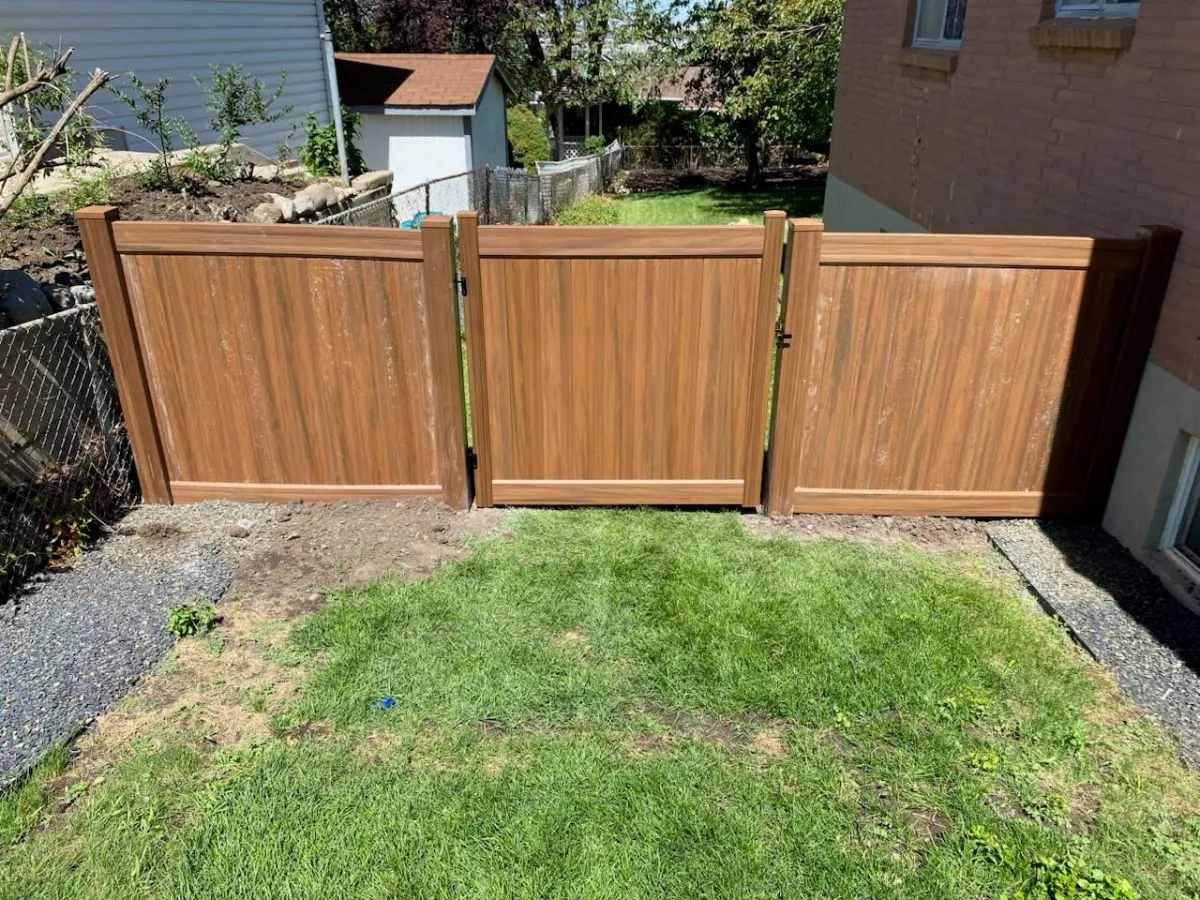
Why Are Some Fence Quotes So Much Cheaper? What Utah Homeowners Should Know
Why Are Some Fence Quotes So Much Cheaper? What Utah Homeowners Should Know
If you're getting quotes for a new fence in Utah, you may be surprised by how much the prices can vary.
You might receive one quote for $8,000, another for $10,000, and another for $13,000 for what appears to be the same fence.
So why are some fence quotes so much cheaper?
Sometimes, the lower price is simply the result of a contractor having lower overhead or better material pricing. But in other situations, the quotes aren't actually for the same scope of work.
The cheapest quote may leave out important parts of the project, use different materials, or assume a different installation method.
At Haven Fence, we believe homeowners should understand what they're actually comparing before choosing a fence contractor. A fence quote should tell you more than just the final price.
It should give you a clear picture of the materials, labor, gates, removal, installation, and other work included in the project.
What Most Homeowners Really Want to Know
What most homeowners really want to know is whether a cheaper fence quote is actually a better deal.
Not necessarily.
When you're comparing fence bids, the most important question isn't simply, "Which contractor is cheapest?"
It's:
"Am I getting the same fence and the same scope of work from each contractor?"
If one contractor is quoting a basic installation while another includes upgraded materials, additional gates, old fence removal, debris haul-away, or more extensive site preparation, the prices can be very different.
A $2,000 difference doesn't automatically mean one contractor is overcharging.
It could mean the two quotes aren't comparable.
That's why homeowners should look beyond the bottom line.
What Can Make One Fence Quote Much Cheaper?
There are several reasons why fence quotes can vary significantly.
Different Fence Materials
One of the biggest differences can be the actual material being installed.
For example, two contractors may both quote a vinyl privacy fence, but the products may have different construction, quality, reinforcement, or manufacturer specifications.
The same applies to cedar, composite, aluminum, and chain link.
A contractor using a lower-cost product may be able to offer a lower price.
That doesn't automatically make the product bad, but you should know exactly what you're getting.
Ask:
What brand or product is being installed?
What type of material is it?
What thickness or construction does it have?
Are reinforcement components included?
Does the quote include all necessary hardware?
Comparing the material specifications can reveal why two seemingly similar quotes are priced differently.
Different Post Installation
The fence posts are one of the most important parts of the entire system.
They're also mostly hidden after installation.
That makes them easy to overlook when comparing quotes.
A cheaper quote may be based on different assumptions about post spacing, depth, concrete, or installation methods.
In Utah, those details matter.
Fence posts have to deal with changing soil conditions, freeze-thaw cycles, snow, and strong winds. Tall privacy fences can also experience significant wind pressure.
A fence isn't only the part you see above ground.
The support underneath matters too.
Different Number of Gates
Gates can have a noticeable effect on the final price.
A simple walk-through gate isn't the same as a large RV gate or double gate.
Larger gates require more material, hardware, and structural support.
When comparing bids, check whether each contractor included the same number and type of gates.
A quote that looks cheaper may simply include fewer gates.
Fence Removal May Not Be Included
If you're replacing an existing fence, don't assume removal is included.
Some contractors may quote only the new fence installation.
Others may include:
Existing fence removal
Post removal
Loading and hauling
Debris disposal
Site cleanup
If these items aren't included in a lower quote, you may end up paying additional costs later.
Property Access Can Change the Price
Not every property is equally easy to work on.
A backyard with wide equipment access and a straightforward fence line can be much easier to install than a property where crews have to move materials through a narrow side yard.
Access issues can increase labor time.
Sloped yards, landscaping, retaining walls, difficult soil, and other site conditions can also affect the amount of work required.
Sloped or Difficult Terrain
A flat backyard and a steeply sloped property aren't the same installation.
A fence on a slope may require additional layout planning and adjustments to keep the fence looking consistent while following the property's grade.
Uneven terrain can also make digging, post placement, material handling, and gate installation more difficult.
If one contractor has inspected the property carefully and another hasn't, their quotes may be based on different assumptions.
What Happens When Homeowners Choose Based Only on Price?
Choosing the cheapest quote isn't always a problem.
The problem is choosing it without understanding why it's cheaper.
A low bid can sometimes lead to unexpected costs if important work wasn't included from the beginning.
For example, a homeowner may later discover that:
Fence removal wasn't included
A gate costs extra
Certain hardware wasn't included
Additional work is required for the property slope
The quoted material isn't the same quality they expected
Cleanup or debris removal costs extra
The original estimate didn't account for difficult access
The issue isn't necessarily that the contractor intentionally did something wrong.
Sometimes the quote simply wasn't detailed enough.
That's why a clear written scope is so important.
Common Mistakes Homeowners Make When Comparing Fence Quotes
Looking Only at the Final Price
This is probably the most common mistake.
A homeowner sees three numbers and immediately chooses the lowest one.
Instead, compare what each number represents.
Assuming "Same Fence" Means Same Materials
Two fences can look similar from the street while having differences in construction and components.
Ask contractors to explain what they're actually installing.
Not Asking About Gates
A fence quote without clearly defined gates can make comparisons difficult.
Make sure the number, size, style, and hardware of the gates are clear.
Forgetting About Old Fence Removal
If you're replacing an existing fence, make sure removal and debris haul-away are clearly addressed.
Not Asking What Is Excluded
A professional quote should make it reasonably clear what is included and what isn't.
If you're unsure, ask before signing.
Comparing Only Price Per Linear Foot
Price per linear foot can be useful as a general reference, but it doesn't tell the entire story.
Two projects with the same number of linear feet can have very different costs because of gates, terrain, removal, access, material choices, and installation requirements.
How Should You Compare Fence Quotes?
A simple way to compare bids is to create a checklist.
Look at each quote side by side and compare:
What to Compare | Questions to Ask |
|---|---|
Material | What exact fence material and product are included? |
Fence Height | Is each contractor quoting the same height? |
Fence Length | Are they measuring the same fence line? |
Posts | What installation specifications are included? |
Gates | How many gates and what type? |
Removal | Is the old fence being removed? |
Haul-Away | Is debris disposal included? |
Property Conditions | Were slope, access, and soil conditions considered? |
Hardware | Is gate and fence hardware included? |
Cleanup | Is final cleanup included? |
Warranty | What warranty or workmanship coverage is provided? |
Total Price | Is this the complete project price? |
Once you compare the details, the reason for a price difference often becomes much clearer.
What Type of Fence Should You Choose?
The cheapest fence isn't necessarily the right fence for your property.
The material should fit your priorities.
Vinyl Privacy Fence
Quality vinyl is a strong option for homeowners who want privacy and relatively low maintenance.
It doesn't require routine staining or sealing like wood and can provide a clean, consistent appearance.
It's particularly worth considering when homeowners want a privacy fence without the ongoing maintenance associated with wood.
Cedar Wood Fence
Cedar is a popular choice for homeowners who prefer a natural appearance.
It's versatile and can be customized in many styles, but it requires more maintenance than vinyl.
For homeowners who like the look of natural wood and are comfortable with ongoing maintenance, cedar can be an excellent option.
Composite or Trex Fence
Composite fencing can be a good choice for homeowners who prioritize durability and low maintenance.
It can also provide a more premium appearance depending on the product and design.
Aluminum Fence
Aluminum is useful when you want an open fence design rather than full privacy.
It's low maintenance and can work well around yards, pools, landscaping, and properties where visibility is important.
Chain Link Fence
Chain link is often a practical choice when the main goals are property boundaries, pets, security, and affordability rather than privacy.
The right fence isn't necessarily the least expensive one.
It's the one that makes sense for your property and long-term priorities.
How Much Should You Expect to Pay for a Fence?
There isn't one price that applies to every Utah fence project.
The total cost can be influenced by:
Fence material
Fence height
Total linear footage
Number and type of gates
Property slope
Soil conditions
Existing fence removal
Access to the property
HOA requirements
Installation complexity
Special hardware or structural requirements
For that reason, a contractor should ideally evaluate the actual property rather than relying only on a rough number.
A free estimate gives homeowners an opportunity to understand the project before making a decision.
Frequently Asked Questions
Why are some fence quotes so much cheaper?
Fence quotes can vary because contractors may be using different materials, installation methods, post specifications, labor assumptions, gate designs, or project scopes. One quote may also include services that another leaves out.
Should I always choose the cheapest fence quote?
No. Price is important, but it should be considered alongside materials, installation details, gates, removal, warranty, and the overall scope of work.
Why do fence companies charge different prices?
Contractors have different labor costs, overhead, suppliers, materials, installation methods, and business models. Differences in pricing aren't necessarily a sign that one contractor is overcharging.
How do I compare fence quotes?
Make sure each contractor is quoting the same fence length, height, material, gates, removal, installation scope, and other project requirements. Then compare the total price.
Is a lower price per linear foot always better?
No. Price per linear foot doesn't account for every project variable. Gates, slopes, removal, access, materials, and other requirements can significantly affect the total cost.
Should fence removal be included in the quote?
If you're replacing an existing fence, ask whether removal and debris haul-away are included. Don't assume they're part of the installation price.
Why are gates so expensive?
Gates require additional materials, hardware, framing, posts, and installation. Larger RV or double gates can require considerably more structural support than a standard walk-through gate.
Does the type of soil affect fence installation?
Yes. Soil conditions can affect digging and post installation. Difficult ground conditions may require additional labor or specialized equipment.
Does a sloped yard cost more to fence?
It can. Sloped properties often require additional layout, grading considerations, material handling, and installation work compared with a straightforward flat property.
What should a good fence quote include?
A detailed quote should clearly identify the fence material, approximate length, height, gates, removal if applicable, installation scope, and total project price. Any important exclusions should also be explained.
What We've Learned From Utah Fence Projects
At Haven Fence, we've worked on residential fence projects throughout Northern Utah, and one thing we see repeatedly is that homeowners want to know whether they're getting a fair price.
That's a completely reasonable question.
The best way to evaluate a fence contractor isn't simply to find the lowest number.
It's to understand what you're getting for that number.
A properly planned fence installation takes into account the property, fence material, gates, terrain, access, installation requirements, and the homeowner's goals.
Two contractors can arrive at different prices while both being legitimate businesses.
The important thing is understanding the difference.
When homeowners have a clear scope of work, they can make a much more informed decision and avoid surprises later.
Fence Installation Throughout Northern Utah
Haven Fence provides residential fence installation throughout Northern Utah, including communities such as Lehi, Ogden, Draper, Riverton, Sandy, American Fork, Pleasant Grove, Highland, Saratoga Springs, Eagle Mountain, Salt Lake City, Layton, and surrounding areas.
For homeowners researching local fence contractors, learn more about fence installation in Lehi, fence company in Ogden, fence installation in Draper, and fence installation in Riverton
Get a Clear, Accurate Fence Estimate
If you're comparing fence quotes, don't be afraid to ask questions.
You should know what material you're receiving, what installation includes, how many gates are included, whether removal is covered, and whether there are additional costs you should expect.
At Haven Fence, we provide free fence estimates throughout Northern Utah so homeowners can understand the project and make an informed decision.
If you're in Utah and want to compare your options with a clear understanding of what your fence project includes, contact Haven Fence today for a fast, accurate quote.

Crafting Confidence, One Fence at a Time
Don’t Overpay For Low Quality Materials
Living with an unattractive fence. Facing potential security issues with inadequate boundaries. Frustrated with unreliable installation options. Dealing with constant repairs on cheap materials. Wasting weekends searching for replacement options. Having your property value decrease due to a poor fence. Facing a lengthy installation process with no support. Feeling overwhelmed by conflicting options and choices.
Built for Strength, Styled for You
Every Fence. Every Finish. Every Function.
Where strength meets design - built to last, made to stand out.
Exclusive Fence Upgrade Offer
5% OFF ANY FENCE
Strengthen your boundaries and save big with our limited-time Haven Fence Discount Event. 5% off your next installation. Offer ends Sept. 30, 2026.
1. How long does a typical fence installation take?
Most residential projects take 2–5 days depending on the fence type, size, and site conditions. Our team keeps you informed from start to finish to ensure timely completion.
2. What is the number one question you should ask at your fence appointment?
Ask, “What materials and installation methods do you use to make sure my fence lasts in Utah’s weather?” This helps you understand the quality and durability of the fence your contractor will install. A reliable Utah fence company should explain how materials like vinyl, cedar, or metal perform in Utah’s freezing winters, hot summers, and unique soil conditions. They should also use proper methods—like concrete-set posts and galvanized hardware—to ensure long-term strength. This question quickly shows whether your contractor knows how to build a fence that will hold up in Utah.
3. What materials do you recommend for low maintenance?
Vinyl, metal, and composite fences are the best options for minimal upkeep. They resist fading, warping, and rust, maintaining a fresh look year after year.
4. Are you fully licensed and insured?
Yes—Haven Fence is fully licensed and insured to install residential fencing in Utah. This protects homeowners from liability and ensures your fence is built to local codes and industry standards. Working with a licensed Utah fence contractor also guarantees professional installation, reliable workmanship, and compliance with city and county regulations.
5. What warranty do you offer?
Yes. Haven Fence provides material warranties based on the fence you choose—vinyl, wood, and steel all include manufacturer coverage against defects. Every installation also comes with a 1-year workmanship warranty for added peace of mind. Whether you’re in Ogden, Salt Lake, or anywhere in Utah, we stand behind our quality and make sure your fence is built to last.
6. What maintenance is required for my fence?
Maintenance depends on your fence material and Utah’s weather. Vinyl fencing is very low-maintenance and only needs occasional cleaning. Wood fences require staining or sealing every few years to protect against sun, snow, and moisture. Composite and steel fences need minimal care—just periodic washing—to stay strong in Northern Utah’s climate. Haven Fence can help you choose the right low-maintenance option for your home.
7. How much does a new fence cost in Utah?
The cost of a new fence in Utah can vary depending on the size and details of your project. We don’t price strictly by the foot, instead, we look at the entire project, including layout, yard conditions, gates, and any custom features, to give you the most accurate quote.
Your Questions, Our Expertise
Fencing Made Clear and Simple
Trusted by Homeowners. Proven by Results.
Our Clients Speak for Our Craftsmanship.
See what satisfied customers say about their Haven Fence experience.

Before installing your fence, review neighborhood guidelines, determine your privacy or security needs, and choose materials suited to your property’s terrain and climate.
Quick Links
Services
Locations
Contact Us