
Wasatch Front of Utah

Fences built to last. Designed with purpose.
Fence Resources and Tips For Utah Homeowners
How to Maintain Your Fence After Installation
A new fence is a real investment in your property, your privacy, and your curb appeal. But installation is only the beginning. Even the best-built fence needs regular attention to stay strong and look good, especially in Utah, where hot summers, heavy snow, and freeze-thaw cycles put constant stress on every material. The good news is that fence maintenance doesn’t have to be complicated. A few simple habits can add years to your fence and help you avoid expensive repairs. Here is what we at Haven Fence recommend.
Why Fence Maintenance Matters
Most fence problems don’t show up overnight. They start small: a post that shifts slightly, a board that begins to weather, a sprinkler that keeps hitting the same section. Left alone, these small issues grow into larger repairs. The homeowners who get the most life out of their fences are the ones who stay ahead of problems instead of waiting for something to break.
The Most Common Maintenance Mistakes
After working with homeowners across Utah, we see the same mistakes again and again. Each one starts small, and each one can become costly.
Skipping Wood Staining or Sealing
Wood that isn’t stained or sealed is exposed to sun, moisture, and temperature swings. The result is premature deterioration and boards that need to be replaced much sooner than they should.
Ignoring Loose Posts
A loose post is one of the clearest early signs of trouble. When it is ignored, it can lead to leaning sections and eventually structural failure.
Poor Sprinkler Placement
Sprinklers that spray directly onto a fence cause constant moisture exposure. Over time, that leads to staining, moisture damage, and deterioration, particularly on wood.
Skipping Cleaning
Dirt, grime, and buildup do more than make a fence look worn. They can cause discoloration and hide early signs of damage that you would otherwise catch.
Ignoring Gate Problems
Gates take the most daily wear of any part of your fence. A sagging or sticking gate that goes unaddressed can damage hinges, posts, and hardware, turning a minor adjustment into a larger repair.
Skipping Seasonal Inspections
Many homeowners never look closely at their fence unless something is obviously wrong. Without regular inspections, small issues quietly become bigger repairs.
Maintenance by Fence Material
Every fence material has different needs, and Utah’s climate affects each one differently. Here is a simple schedule to follow.
Wood Fences
Wood is beautiful and versatile, but it needs the most hands-on care. Clean your wood fence one to two times a year to remove dirt and buildup, and plan to stain or seal it every two to four years. That protective layer is what shields the wood from weather damage, so it is the single most important maintenance task for a wood fence.
Vinyl Fences
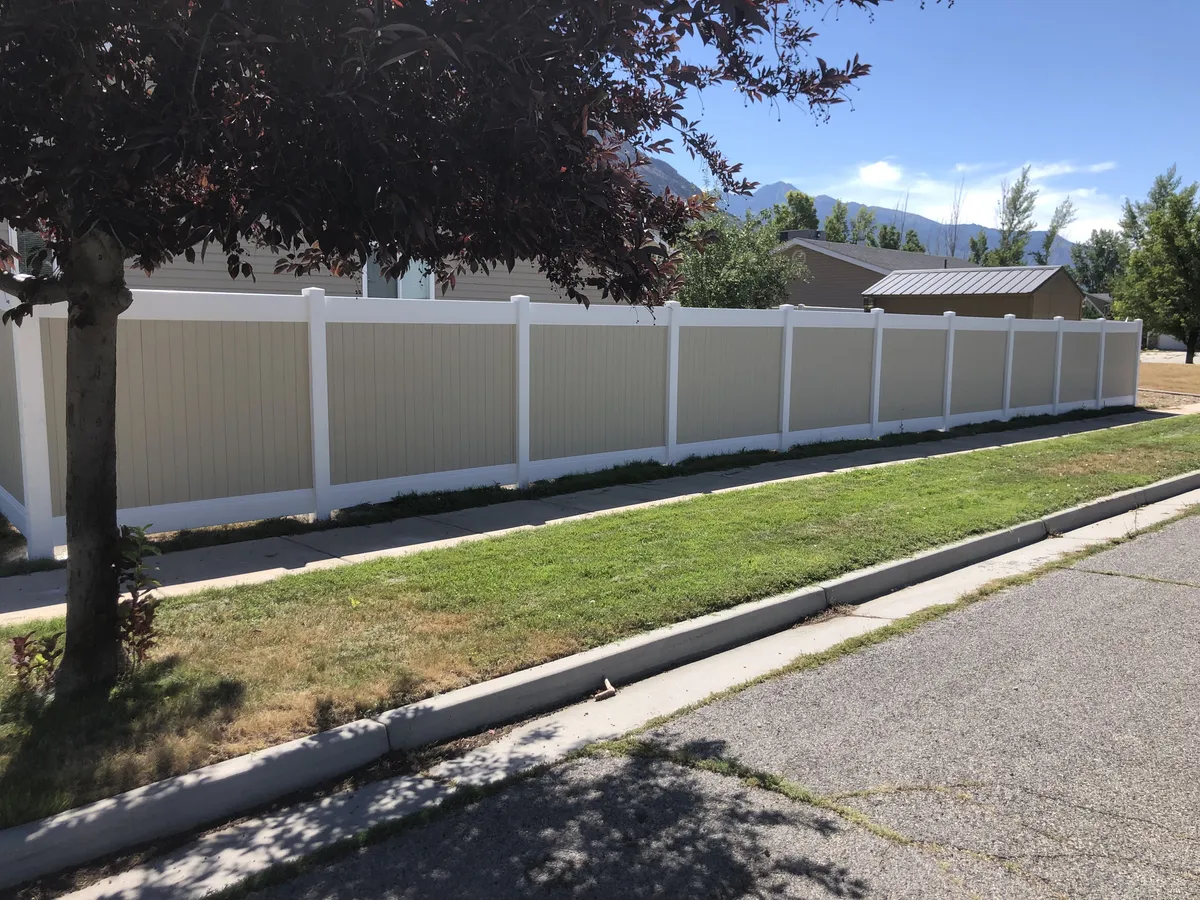
Vinyl is known for being low maintenance, but low maintenance does not mean no maintenance. Wash your vinyl fence one to two times a year, and use that time to check for cracks, loose connections, and hard-water buildup. Catching these issues early keeps the fence looking clean and performing well.
Metal and Chain Link Fences
Metal and chain link fences are durable, but they still need to be checked. Inspect them every six months, looking for rust, loose fasteners, damaged coatings, and leaning posts. A small spot of rust or a damaged coating is easy to deal with when it is caught early.
Warning Signs to Watch For
Knowing what to look for makes it much easier to act at the right time. Pay attention to leaning posts, loose boards, sagging gates, rust, cracks, and any areas where moisture seems to collect.
Why One Leaning Post Matters
Here is a simple example of how quickly a small problem can grow. A homeowner notices one fence post beginning to lean. If the post is fixed early, the repair is usually straightforward and prevents the surrounding panels from shifting or breaking. If it is ignored until the entire section starts leaning, that small repair can turn into a much larger replacement. The fence didn’t change, only the timing did, and the difference in cost can be significant.
What to Do in the First Year
The first year after installation is a great time to build good habits. Our recommendation is to keep an eye on your fence throughout that first year and contact Haven Fence if you notice anything unusual. Look it over after major weather changes, watch how your sprinklers interact with it, and pay attention to how gates open and close. It is always better to address a concern early than to wait until it becomes a bigger repair.
Is Fence Maintenance Really Worth It?
Absolutely. Our biggest advice is simple: don’t wait until something breaks to start maintaining your fence. A quick inspection and a few simple maintenance tasks each year can extend its lifespan and help prevent expensive repairs. Compared to the cost of replacing boards, resetting posts, or rebuilding a failed section, a little regular care is a small price to pay.
Need Help With Your Fence?
If you have a fence concern, contact Haven Fence. We offer free estimates and can help assess your fencing needs, recommend repairs, and discuss the best solution for your situation.

Crafting Confidence, One Fence at a Time
Don’t Overpay For Low Quality Materials
Living with an unattractive fence. Facing potential security issues with inadequate boundaries. Frustrated with unreliable installation options. Dealing with constant repairs on cheap materials. Wasting weekends searching for replacement options. Having your property value decrease due to a poor fence. Facing a lengthy installation process with no support. Feeling overwhelmed by conflicting options and choices.
Built for Strength, Styled for You
Every Fence.
Every Finish.
Every Function.
Where strength meets design - built to last, made to stand out.
Exclusive Fence Upgrade Offer
10% off & 24 mo financing
Strengthen your boundaries and save big with our limited-time Nov. 5 - Dec 2, 2026.
Your Questions, Our Expertise
Fencing Made Clear and Simple
1. How long does a typical fence installation take?
Most residential projects take 2–5 days depending on the fence type, size, and site conditions. Our team keeps you informed from start to finish to ensure timely completion.
2. What is the number one question you should ask at your fence appointment?
Ask, “What materials and installation methods do you use to make sure my fence lasts in Utah’s weather?” This helps you understand the quality and durability of the fence your contractor will install. A reliable Utah fence company should explain how materials like vinyl, cedar, or metal perform in Utah’s freezing winters, hot summers, and unique soil conditions. They should also use proper methods—like concrete-set posts and galvanized hardware—to ensure long-term strength. This question quickly shows whether your contractor knows how to build a fence that will hold up in Utah.
3. What materials do you recommend for low maintenance?
Vinyl, metal, and composite fences are the best options for minimal upkeep. They resist fading, warping, and rust, maintaining a fresh look year after year.
4. Are you fully licensed and insured?
Yes—Haven Fence is fully licensed and insured to install residential fencing in Utah. This protects homeowners from liability and ensures your fence is built to local codes and industry standards. Working with a licensed Utah fence contractor also guarantees professional installation, reliable workmanship, and compliance with city and county regulations.
5. What warranty do you offer?
Yes. Haven Fence provides material warranties based on the fence you choose—vinyl, wood, and steel all include manufacturer coverage against defects. Every installation also comes with a 1-year workmanship warranty for added peace of mind. Whether you’re in Ogden, Salt Lake, or anywhere in Utah, we stand behind our quality and make sure your fence is built to last.
6. What maintenance is required for my fence?
Maintenance depends on your fence material and Utah’s weather. Vinyl fencing is very low-maintenance and only needs occasional cleaning. Wood fences require staining or sealing every few years to protect against sun, snow, and moisture. Composite and steel fences need minimal care—just periodic washing—to stay strong in Northern Utah’s climate. Haven Fence can help you choose the right low-maintenance option for your home.
7. How much does a new fence cost in Utah?
The cost of a new fence in Utah can vary depending on the size and details of your project. We don’t price strictly by the foot, instead, we look at the entire project, including layout, yard conditions, gates, and any custom features, to give you the most accurate quote.
Trusted by Homeowners. Proven by Results.
Our Clients Speak for Our Craftsmanship.
See what satisfied customers say about their Haven Fence experience.

Before installing your fence, review neighborhood guidelines, determine your privacy or security needs, and choose materials suited to your property’s terrain and climate.
Quick Links
Services
Locations