
Wasatch Front of Utah

Fences built to last. Designed with purpose.
Fence Resources and Tips For Utah Homeowners
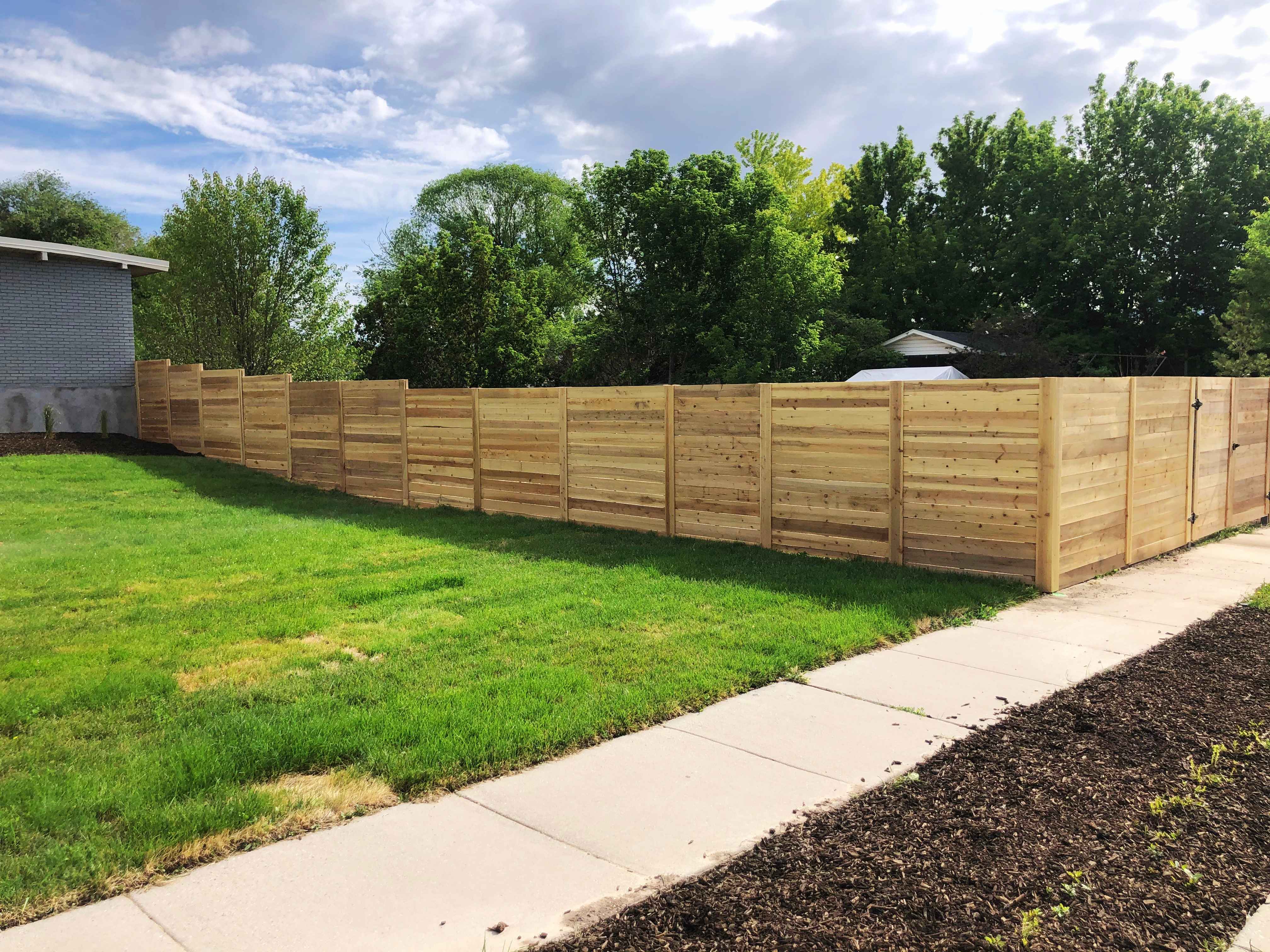
Do I Need HOA Approval for a Fence in Utah
If you live in a Utah neighborhood with a homeowners association (HOA), you may need approval before installing a new fence or replacing an existing one. The requirements depend on your community’s governing documents and architectural guidelines.
Even if a fence meets your city’s requirements, that does not automatically mean it meets your HOA’s rules. Checking both before starting your project can help prevent delays and avoid having to change a fence after installation.
1. When Is HOA Approval Required for a Fence?
HOA approval may be required when installing a new fence, replacing an existing fence, changing its height, or switching to a different material or color.
Some associations require homeowners to submit a fence plan for review before purchasing materials or scheduling installation. Others have specific standards for fence placement, appearance, and the portions of a property that may be enclosed.
Start by reviewing your community’s covenants, conditions, and restrictions (CC&Rs), along with any architectural design guidelines. These documents explain which requirements apply to your property.
2. What most homeowners really want to know is…
What happens if you install a fence without HOA approval?
If your community requires advance approval, installing a fence without it could result in a compliance notice or a request to correct the issue. Depending on the governing documents and circumstances, you may need to modify the fence or take other steps to resolve the violation.
The easiest way to reduce this risk is to get written approval before construction begins. Keep a copy of the approved plans and any correspondence with the association.
3. What Fence Rules Can an HOA Have?
HOA fence guidelines vary by community, but they may address several aspects of the project.
Height: The association may set maximum heights for backyard, side-yard, or front-yard fences.
Materials: Certain communities allow only specified fence materials, such as vinyl, wood, or ornamental metal.
Colors and finishes: Some associations limit approved colors to maintain a consistent neighborhood appearance.
Style and visibility: Rules may distinguish between solid privacy fences and open designs that preserve views.
Placement: The guidelines may address property boundaries, setbacks, street-facing yards, and visibility near driveways.
Do not assume that a fence approved in a neighboring subdivision will automatically be allowed in yours. Requirements can differ between communities, including those within the same Utah city.
4. Does City Approval Replace HOA Approval?
No. City approval and HOA approval are separate requirements when both apply.
Your city or county may regulate fence height, location, visibility, permits, and other safety or zoning considerations. Your HOA may have additional requirements under its governing documents.
Some Utah communities require permits or other approvals for certain fences, while others may not require a permit for particular residential installations. Check with your local planning or building department to confirm the rules for your property.
You can also review guidance from the Utah Office of the Homeowners' Association Ombudsman on community association design review.
5. How to Request HOA Fence Approval
Before scheduling your fence installation, follow these steps:
Review your CC&Rs and design guidelines. Look for fence-specific rules and the approval process.
Choose a proposed fence style. Identify the material, color, height, and general design you want.
Prepare the required information. Your HOA may request a property sketch, fence layout, measurements, product details, or photos.
Submit your application. Follow the association’s instructions and wait for written approval if it is required.
Check local regulations. Contact your city or county to confirm whether a permit or additional review is necessary.
Allow time for the review process before ordering materials or setting an installation date.
6. Which Fence Materials Are Worth Considering?
The right fence depends on your HOA’s guidelines, the purpose of the fence, and your property’s conditions.
Vinyl fencing: Vinyl can provide a clean, consistent appearance and is available in different styles and colors. Confirm that the proposed design and color are permitted by your association.
Wood fencing: Wood offers flexibility in appearance and can suit a variety of home styles. Your HOA may specify the acceptable height, finish, stain, or design.
Ornamental metal fencing: Metal fencing can provide a more open appearance and preserve sightlines. It may be suitable for communities that restrict solid privacy fencing.
No material is automatically HOA-approved. Check the specific requirements before settling on a design.
7. What If Your HOA Does Not Approve the Fence?
If your application is denied, review the written explanation and identify which requirement your proposal does not meet. Ask whether a revised design, different material, adjusted height, or alternate placement could satisfy the guidelines.
Keep copies of your application and the association’s response. If you believe the decision conflicts with the governing documents or applicable Utah law, you can seek clarification from the association or consult a qualified legal professional.
Avoid beginning construction while an approval issue remains unresolved.
8. Other Things to Check Before Installation
HOA approval is only one part of preparing for a fence project. Also consider:
Property boundaries and any relevant easements.
Local height and setback restrictions.
Visibility requirements near streets and driveways.
Utility locations before digging.
Gate placement and access needs.
Ground slopes and drainage around the fence.
These details can affect where and how a fence can be installed, even after the design has been approved.
9. Planning a Fence for Your Utah Home
Before choosing a fence, confirm what your HOA permits and what local regulations require. Once those details are clear, you can compare suitable materials, styles, and layouts for your property. Homeowners can also explore local fencing options through Haven Fence’s fence installation services in Sandy, Utah.
Planning ahead helps ensure that your fence fits your property, meets the applicable requirements, and suits your needs.
10. Get a Fence Estimate
Haven Fence helps homeowners plan fence installations around their property, preferred materials, and project requirements. Before installation, homeowners should confirm any required HOA approvals and local permits.
For a completely free fence estimate, contact Haven Fence at 801-753-9619.

Crafting Confidence, One Fence at a Time
Don’t Overpay For Low Quality Materials
Living with an unattractive fence. Facing potential security issues with inadequate boundaries. Frustrated with unreliable installation options. Dealing with constant repairs on cheap materials. Wasting weekends searching for replacement options. Having your property value decrease due to a poor fence. Facing a lengthy installation process with no support. Feeling overwhelmed by conflicting options and choices.
Built for Strength, Styled for You
Every Fence.
Every Finish.
Every Function.
Where strength meets design - built to last, made to stand out.
Exclusive Fence Upgrade Offer
10% off & 24 mo financing
Strengthen your boundaries and save big with our limited-time Nov. 5 - Dec 2, 2026.
Your Questions, Our Expertise
Fencing Made Clear and Simple
1. How long does a typical fence installation take?
Most residential projects take 2–5 days depending on the fence type, size, and site conditions. Our team keeps you informed from start to finish to ensure timely completion.
2. What is the number one question you should ask at your fence appointment?
Ask, “What materials and installation methods do you use to make sure my fence lasts in Utah’s weather?” This helps you understand the quality and durability of the fence your contractor will install. A reliable Utah fence company should explain how materials like vinyl, cedar, or metal perform in Utah’s freezing winters, hot summers, and unique soil conditions. They should also use proper methods—like concrete-set posts and galvanized hardware—to ensure long-term strength. This question quickly shows whether your contractor knows how to build a fence that will hold up in Utah.
3. What materials do you recommend for low maintenance?
Vinyl, metal, and composite fences are the best options for minimal upkeep. They resist fading, warping, and rust, maintaining a fresh look year after year.
4. Are you fully licensed and insured?
Yes—Haven Fence is fully licensed and insured to install residential fencing in Utah. This protects homeowners from liability and ensures your fence is built to local codes and industry standards. Working with a licensed Utah fence contractor also guarantees professional installation, reliable workmanship, and compliance with city and county regulations.
5. What warranty do you offer?
Yes. Haven Fence provides material warranties based on the fence you choose—vinyl, wood, and steel all include manufacturer coverage against defects. Every installation also comes with a 1-year workmanship warranty for added peace of mind. Whether you’re in Ogden, Salt Lake, or anywhere in Utah, we stand behind our quality and make sure your fence is built to last.
6. What maintenance is required for my fence?
Maintenance depends on your fence material and Utah’s weather. Vinyl fencing is very low-maintenance and only needs occasional cleaning. Wood fences require staining or sealing every few years to protect against sun, snow, and moisture. Composite and steel fences need minimal care—just periodic washing—to stay strong in Northern Utah’s climate. Haven Fence can help you choose the right low-maintenance option for your home.
7. How much does a new fence cost in Utah?
The cost of a new fence in Utah can vary depending on the size and details of your project. We don’t price strictly by the foot, instead, we look at the entire project, including layout, yard conditions, gates, and any custom features, to give you the most accurate quote.
Trusted by Homeowners. Proven by Results.
Our Clients Speak for Our Craftsmanship.
See what satisfied customers say about their Haven Fence experience.

Before installing your fence, review neighborhood guidelines, determine your privacy or security needs, and choose materials suited to your property’s terrain and climate.
Quick Links
Services
Locations